By: Specialized Energy Affairs Desk
Bogotá, February 17, 2026
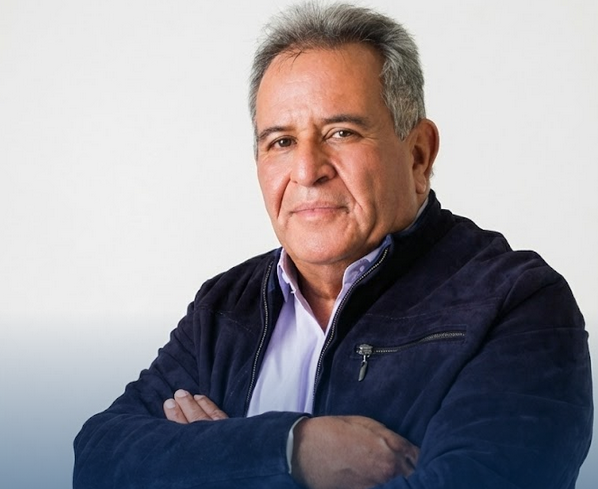
In a public statement that has gone viral, petroleum engineer Luis Elías Quiroga, a known expert in the oil business and a Senate candidate, accused the administration of Colombian President Gustavo Petro of hypocrisy regarding hydrocarbon exploitation.
Quiroga took to platform X to criticize what he described as double standards in the government’s approach to oil production: opposing it domestically while associates of the president reportedly benefit from similar oil deals in neighboring Venezuela. His comments draw on his professional experience and advocate for policies that protect Colombia’s economic interests and the strength of state oil company Ecopetrol.
In his thread, he wrote: “Petro hates oil exploitation in Colombia… but loves what his cronies do in Venezuela, because that oil isn’t fossil, doesn’t pollute, nor contributes to the climate change that, according to him, destroys humanity.”
Quiroga’s denunciation refers to a journalistic investigation documenting how Delcy Rodríguez, the acting president of Venezuela, awarded two valuable oil blocks in the Barinas and Apure regions in 2025 to Colven Business & Corp. This company is linked to Danilo Romero Gómez, referred to as a compadre of Petro, and to members of Manuel Grau’s family, individuals closely tied to the Colombian government.
The Barinas–Apure blocks contain an estimated 1,114 million barrels of proven reserves, exceeding half of Colombia’s proven hydrocarbon reserves, according to the investigation. These fields were contracted to Colven despite the company’s lack of prior oil industry experience and negative financial results, raising questions about the transparency and fairness of the award process.
Quiroga also highlighted a potential conflict of interest involving Alfonso Camilo Barco Muñoz, identified in some reporting as a former representative of Colven and a current financial executive within Ecopetrol, hinting at possible overlapping interests between public office and private economic gain.
According to Quiroga, this situation reflects not only an inconsistency in policy but also what he calls a broader attempt to weaken Colombia’s energy sector while others benefit from exploitation abroad. He argues that the government’s environmental rhetoric has been used to justify restrictive policies at home, while foreign contracts serve different interests. The engineer concluded by urging for the “rescue” of Ecopetrol from what he describes as anti–fossil fuel policies that have left the state company in “intensive care,” and establishing himself as an influential voice in debates about national energy policy and government accountability.