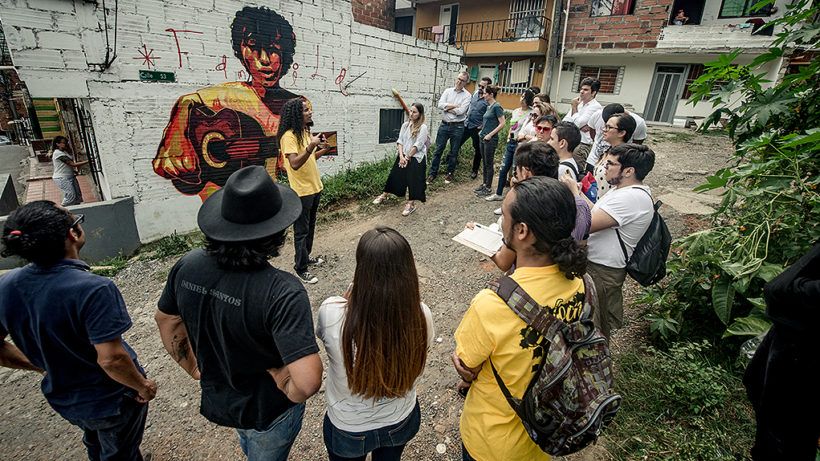
In a groundbreaking decision endorsed by Colombia’s National Government, the Attorney General’s Office has suspended arrest warrants for 23 former criminal leaders from the Valle de Aburrá region for six months. This important move recognizes that these individuals have long since served their sentences and are now playing a crucial, positive role as “peace managers” (gestores de paz) in Medellín’s communes. More than just a legal adjustment, this marks a pivotal breakthrough in overcoming political barriers to achieve lasting peace in one of Colombia’s most dynamic urban landscapes.
For years, these peace managers’ freedom and ability to contribute were unjustly restricted, largely due to political opposition—including notable resistance from figures such as former mayor Federico Gutiérrez, as highlighted by human rights advocate Andrés Julián. This political roadblock hindered their reintegration and undermined opportunities for community-driven peace initiatives.
Now, free from these constraints, these rehabilitated leaders are revitalizing their neighborhoods through mediation, conflict resolution, and social programs that foster cohesion. Their lived experience within these communities grants them unparalleled insight and influence, enabling them to address root causes of violence and promote alternatives to crime. Rather than marginalize these peacebuilders, Colombia is now embracing their vital role in consolidating peace at the territorial level.
What this decision truly symbolizes is a maturation in Colombia’s peace process—one that moves beyond punitive justice towards inclusive reconciliation. By lifting political obstacles that previously limited the involvement of vital stakeholders, the government is sending a powerful message: sustainable peace requires collaboration from all sectors, including those once deemed adversaries.
As Medellín continues its inspiring transformation from a city once synonymous with violence to a beacon of innovation and resilience, empowering local peace managers helps build on this momentum. This step reflects a hopeful model that other Colombian regions and conflict zones can emulate to bridge divides and achieve durable peace.
Ultimately, Colombia’s commitment to overcoming political barriers and trusting in the restorative power of peace managers showcases an enlightened approach—one that prioritizes community healing, social equity, and long-term stability. The suspension of these arrest warrants is not just a legal formality; it is a profound endorsement of peace’s promise in the heart of Medellín.
As these peace managers take their rightful place as agents of change, Colombia moves closer to the inclusive, harmonious future so deeply desired by its people.