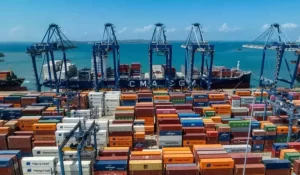
Financial analysts have highlighted the steady performance of Colombian markets, noting that the country’s financial system and currency have demonstrated remarkable resilience despite widespread volatility in broader emerging markets. This stability has provided a strong buffer for the domestic economy, helping to maintain market confidence amid fluctuating global economic conditions.
The relative strength of the Colombian peso has been anchored by disciplined monetary policies and sustained capital inflows, particularly within key productive and service sectors. Local regulatory frameworks and active risk management by businesses—such as foreign exchange hedging and forward contracts—have significantly mitigated severe currency swings, allowing the domestic currency to outperform regional peers during periods of heightened market stress.
In addition to monetary stabilization, solid fundamental drivers, including steady service exports and healthy remittance flows, have reinforced external income. These inflows have helped cushion the trade balance and balance of payments, mitigating foreign exchange risks that typically destabilize emerging economies during times of global financial tightening.
The financial sector has maintained capital adequacy and liquidity buffers, reassuring foreign and domestic investors alike. Analysts point out that despite persistent fiscal challenges and elevated inflation in previous cycles, credit institutions and business sentiment have shown positive recovery trends, further bolstering the stability of local asset prices.
Looking ahead, market observers project that maintaining policy consistency and restoring private investment will remain key to preserving this economic momentum. While global headwinds and commodity market shifts present ongoing risks, the proven capacity of Colombian markets to withstand foreign exchange shocks places the economy on a more sustainable footing heading into upcoming fiscal periods.